
 GPTI-499
Infographic / Edu Visual - AI Infrastructure Infographic Poster
A dense futuristic educational poster explaining modern AI systems, useful for technical presentations, learning materials, and social media informationals.
An extensive architectural and product design prompt that translates the organic textures of crumpled paper into high-comfort sculptural furniture like chairs and sofas.
Prompt
Design Concept: {argument name="furniture type" default="The Crumple Chair"} Core Philosophy: Translating the "controlled chaos" of a {argument name="inspiration" default="tossed paper ball"} into a sculptural, high-comfort seating experience.\n\nStage 1: Observation & Morphological Analysis The goal is to deconstruct the image of the crumpled paper into usable geometric data. Crease Mapping: Identify the primary "valley" and "ridge" lines. These represent potential structural ribs or seams in the chair. Faceted Planes: Break down the sphere into a series of non-uniform polygons. Each flat surface of the paper becomes a potential panel for the chair’s upholstery or shell. Shadow Study: Analyze how the "tossed" form creates deep recesses. These natural pockets guide where the user’s weight will be cradled. \n\nStage 2: Iterative Form Exploration Moving from a sphere to a seat through "Digital Crumpling." Subtractive Sculpting: Imagine the paper ball as a solid mass. Use Boolean operations to "carve out" a seating cavity that fits the human form while maintaining the external jagged texture. Tension Simulation: Use 3D software (like Rhino or Blender) to simulate a flat sheet of material being compressed. This ensures the folds look authentic and not "modeled." The "Toss" Logic: Experiment with gravity-based simulation dropping a digital mesh to see how it settles naturally, mimicking the "tossed" origin. \n\nStage 3: Ergonomic Translation & Blueprinting Refining the raw aesthetic into a functional object. The Comfort Core: Overlay a standard ergonomic template (Seating Angle: 105°–110°) over the crumpled form. Adjust the internal "folds" to provide lumbar support and pressure relief. Blueprint Generation: Create technical orthographic views (Front, Side, Top). Map out the dimensions: Seat Height: 450mm Total Width: 850mm Surface Smoothing: Maintain the sharp "paper edges" on the exterior shell while softening the interior contact points for skin comfort. \n\nStage 4: Structural Integration & Scaling Making the concept physically viable. The Skeleton: Design a hidden internal frame (likely CNC-bent steel rods or a 3D-printed lattice) that follows the most prominent ridges of the paper folds to provide rigidity. Material Selection: * Option A (High-End): {argument name="material" default="Faceted, cast aluminum"} with a white powder coat. Option B (Soft): Vacuum-formed recycled plastic shell covered in "memory-fold" technical fabric that retains a wrinkled appearance. \n\nStage 5: Final Prototyping & Material Finish Textural Replication: Apply a matte, slightly porous finish to the material to mimic the tactile feel of heavy-bond paper. Lighting Contrast: Use directional studio lighting in the final renders to emphasize the "tossed" shadows, making the chair look like a giant piece of discarded inspiration. Design Tip: To keep the "tossed" look authentic, avoid symmetry.Attribution
Open the GPT Image 2 generator, paste a prompt from this library, and start iterating toward a usable image.
More like this
GPTI-499A dense futuristic educational poster explaining modern AI systems, useful for technical presentations, learning materials, and social media informationals.
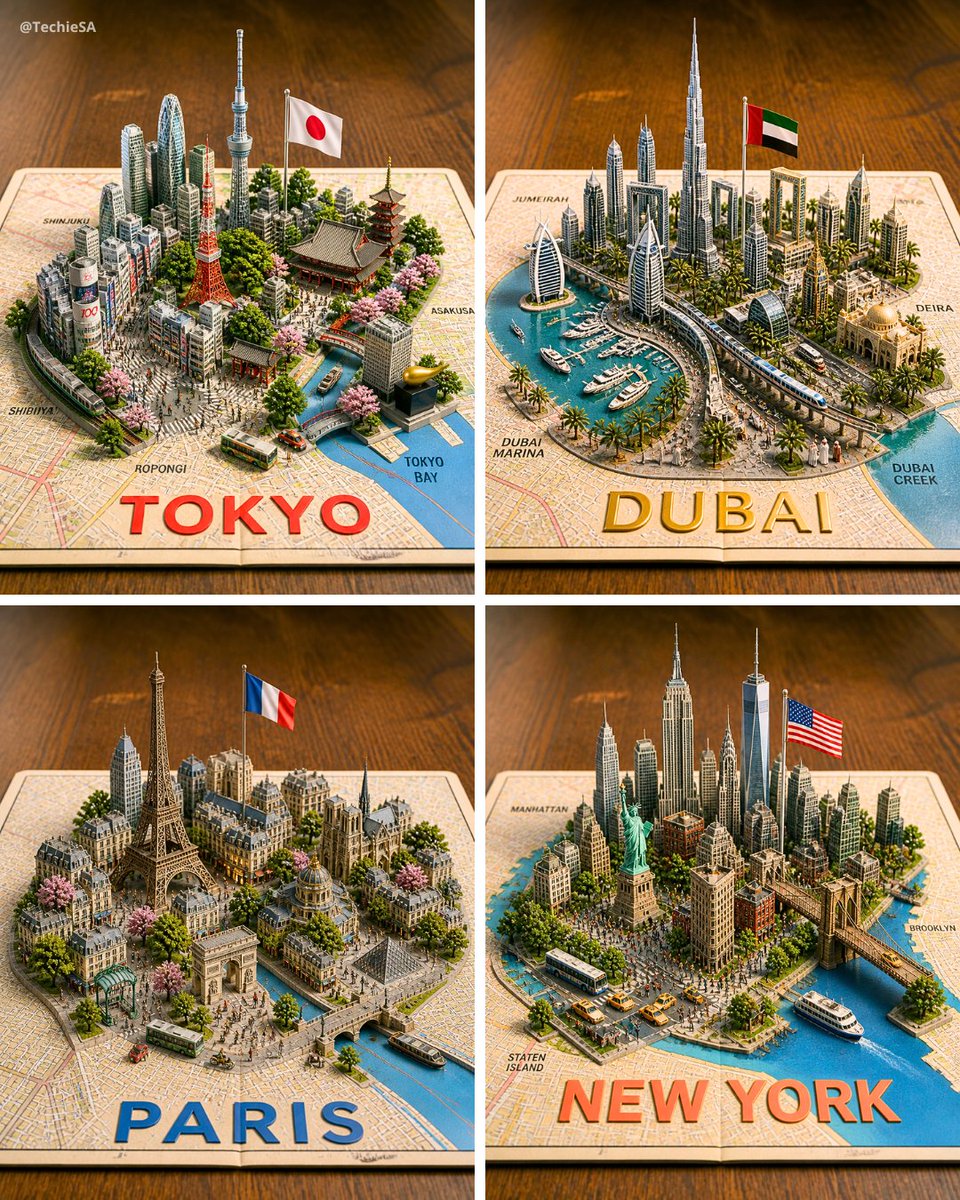 GPTI-279
Generates a four-panel photorealistic 3D diorama of Tokyo, Dubai, Paris, and New York rising from printed maps for travel or city showcase visuals.
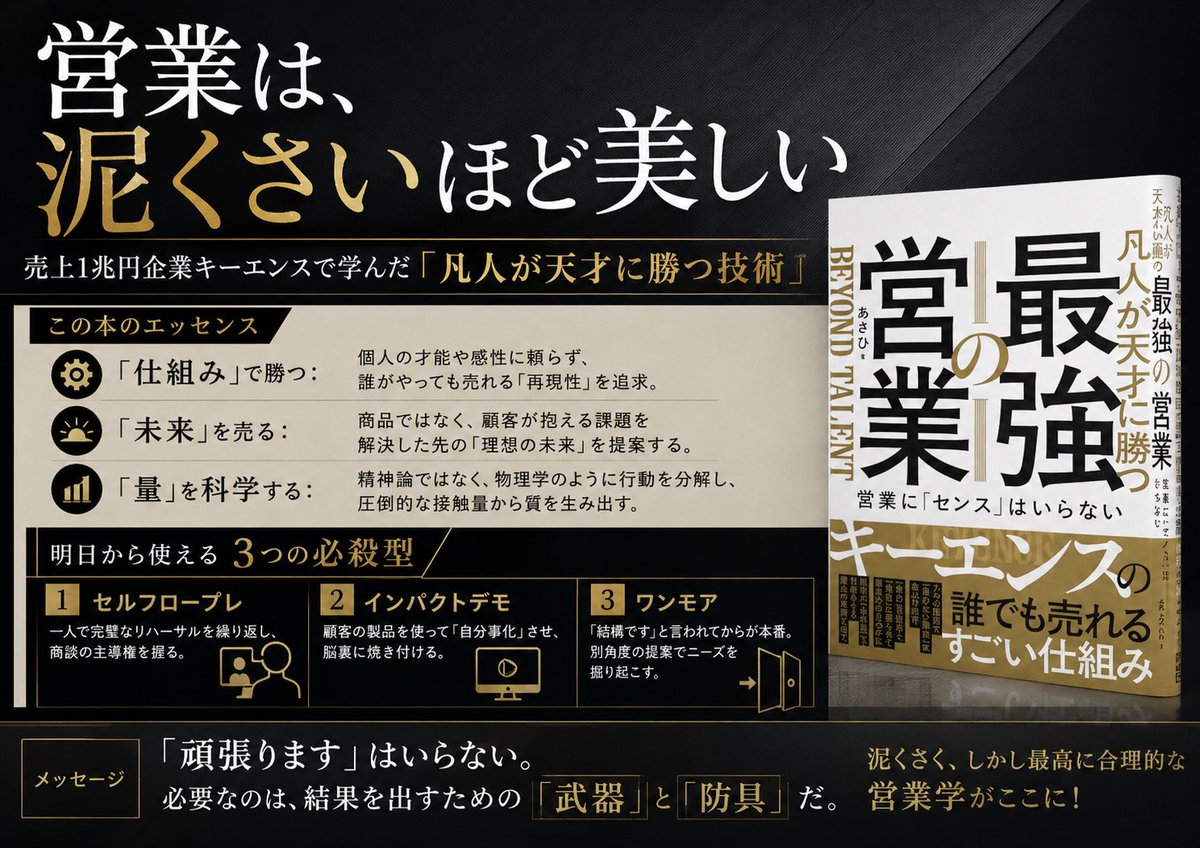 GPTI-282
Creates a premium black-and-gold Japanese business book advertisement with a structured sales-method infographic and realistic book mockup.
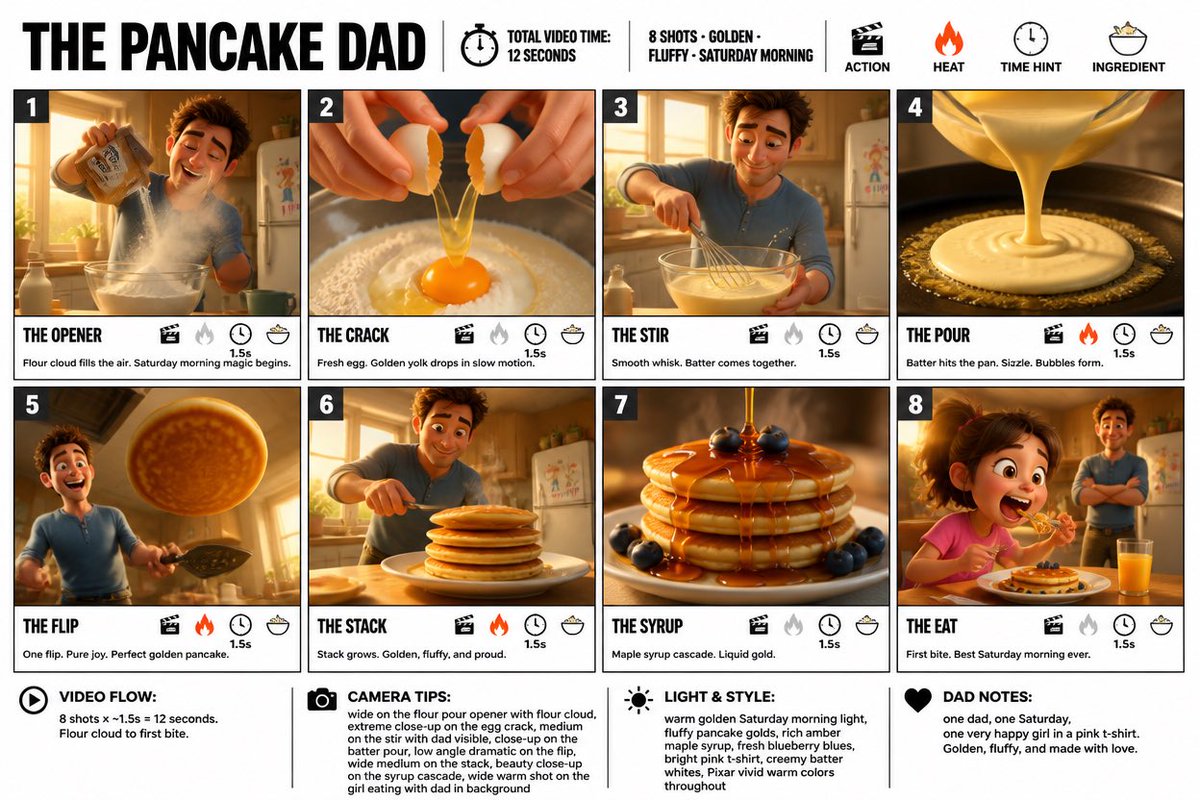 GPTI-359
Create a crisp, clean infographic storyboard poster for THE PANCAKE DAD. Wide 16:9 layout, white background, black borders, bold black typography, premium Pixar 3D stylized renderi...
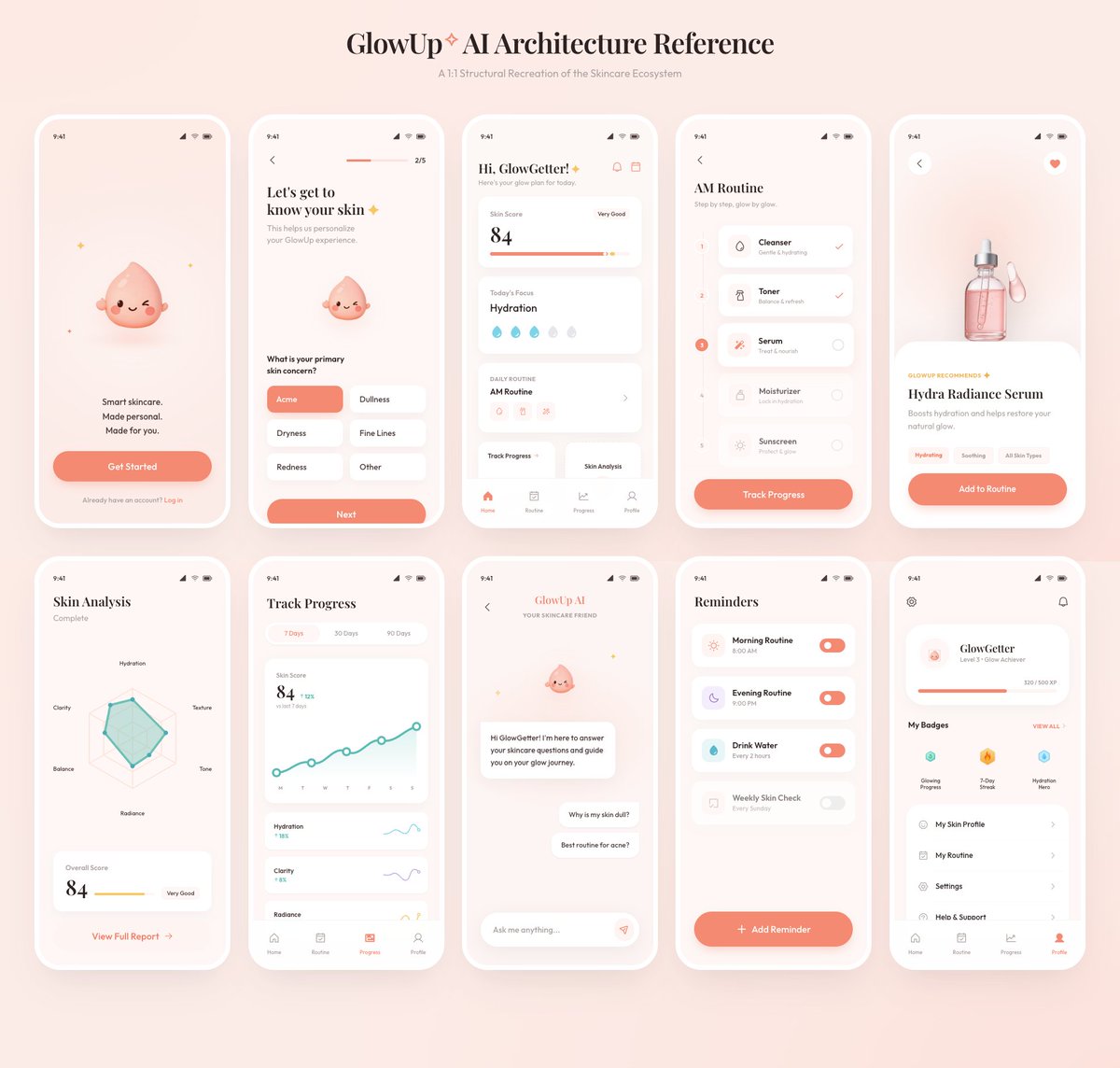 GPTI-751
Generates a polished 10-screen skincare mobile app architecture presentation from a rough reference board.
 GPTI-753
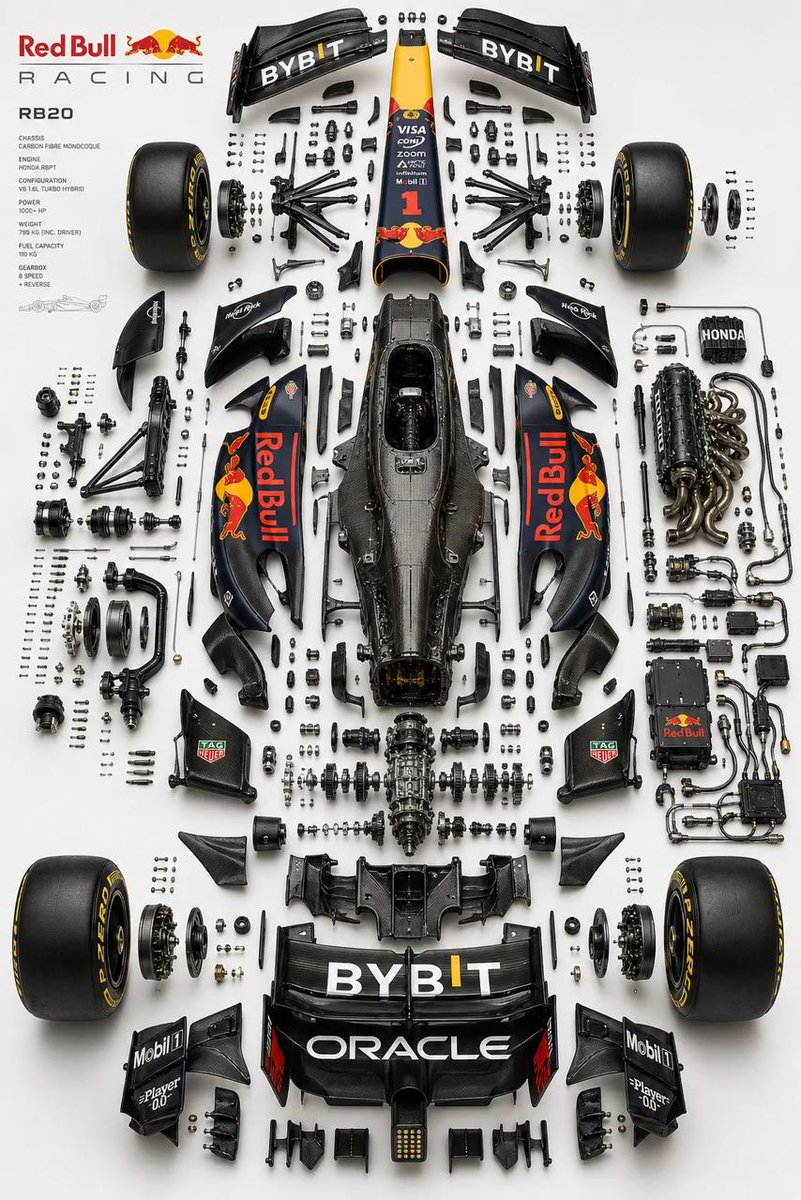
An ultra-precise technical prompt for generating an exploded mechanical diagram of a luxury vehicle with high-end studio lighting and realistic materials.